
Fabergé: What to Consider in Royal News
An independent reference guide to Fabergé, the egg form and the tradition of decorative objects, and heritage and ceremony.
By Moderne Royale Editors · October 2026 · 3 min read
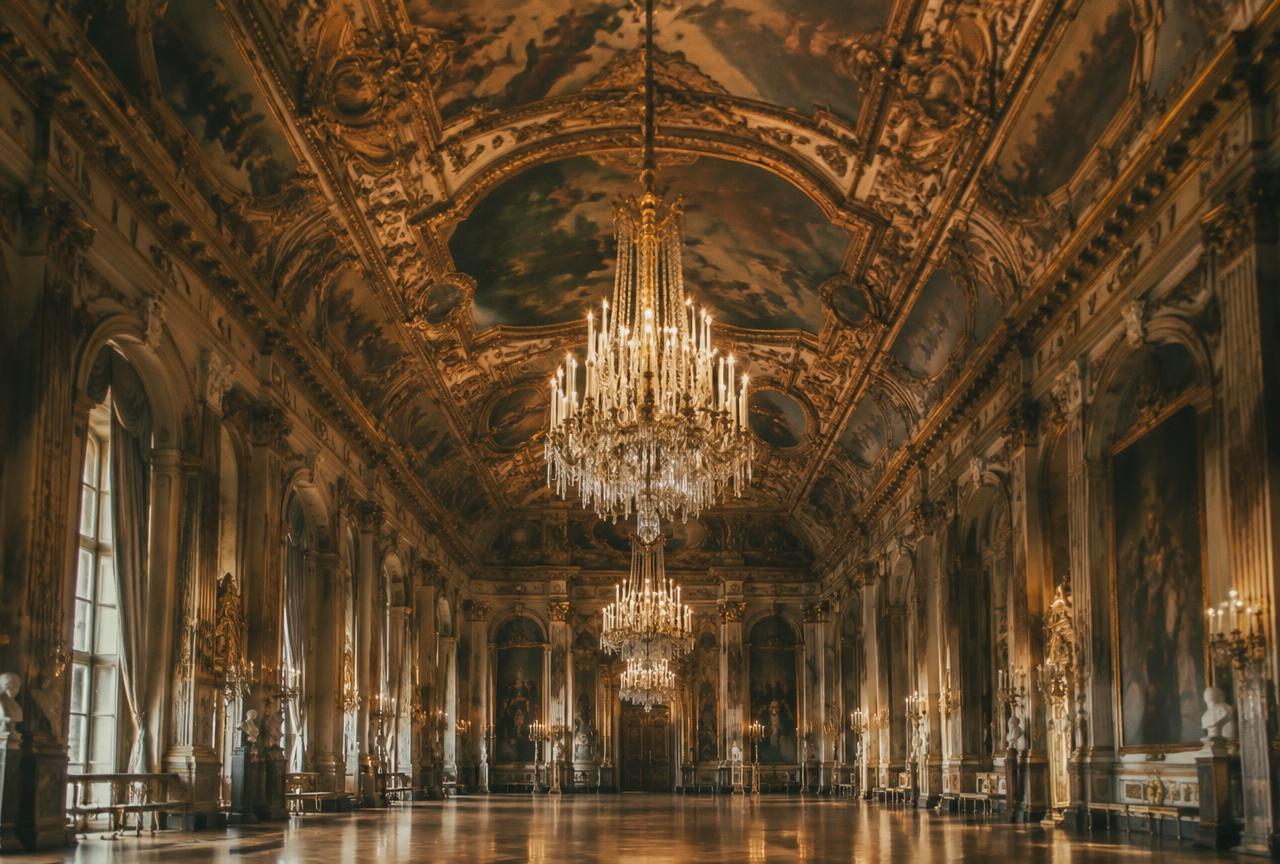
Considering Fabergé is more useful when the question is specific. Start with the purpose of the object or experience, the circumstances in which it will be used and the details that can be verified. How is an object presented, stored and passed on? Which decorative references belong to a particular period? This guide frames a selection process; it does not endorse a particular purchase or substitute the appeal of a house name for an assessment of suitability.
Build a short record of the details that matter to you and compare like with like. Separate objective information—dimensions, materials, inclusions or service requirements—from subjective preferences such as atmosphere, visual intensity or familiarity. The historical Fabergé jewelry business was founded in 1842. History can make the selection culturally interesting, but it should not eliminate practical questions about use, care, suitability or the actual terms of a transaction.
Before committing, read the current official description and ask which details remain uncertain. Conditions, editions, availability and service arrangements can differ substantially within the same brand. A considered choice should be able to explain why a particular example fits a particular need; a broad statement that something is luxurious is not a replacement for that explanation.
A historic house is not automatically a current supplier to a royal household. Heritage is discussed here as design history, not as a claim of royal endorsement or an active warrant.
More from Royal News
Royal News / Cartier
Cartier: The Design Language of Royal News
An independent reference guide to Cartier, the panther motif and geometric jewelry, and heritage and ceremony.
By Moderne Royale Editors
Royal News / Cartier
Cartier: Origins, Identity & Royal News
An independent reference guide to Cartier, the panther motif and geometric jewelry, and heritage and ceremony.
By Moderne Royale Editors
Royal News / Cartier
A Closer Look at Cartier: The panther motif and geometric jewelry
An independent reference guide to Cartier, the panther motif and geometric jewelry, and heritage and ceremony.
By Moderne Royale Editors