
A Closer Look at Baccarat: Cut crystal and the way a vessel catches light
An independent reference guide to Baccarat, cut crystal and the way a vessel catches light, and heritage and ceremony.
By Moderne Royale Editors · October 2026 · 3 min read
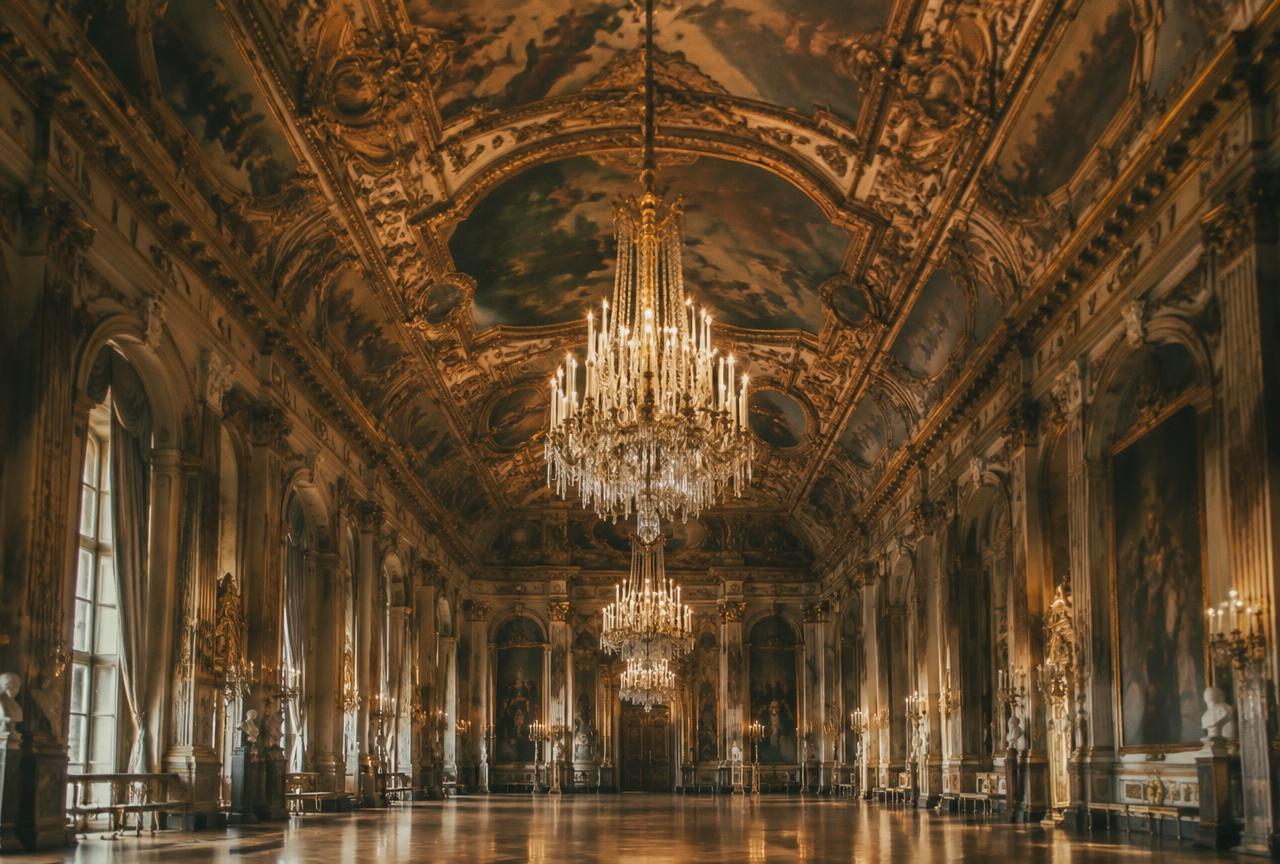
A closer reading of Baccarat begins with cut crystal and the way a vessel catches light. Instead of treating this as a slogan, consider it as a subject that can be broken into smaller choices: the relation of one element to another, the handling of edges, the movement of light and the role of negative space. In heritage and ceremony, these details often make a more useful conversation than a broad claim of exclusivity.
How is an object presented, stored and passed on? Which decorative references belong to a particular period? Apply those questions to one documented example at a time. A detail seen in a photograph may be a styling decision rather than a permanent property of a collection, and dimensions or material descriptions should come from the maker rather than from visual inference. Baccarat's glassmaking history began in Lorraine in 1764. The combination of an established background and an exact, limited example makes the discussion more reliable.
The next step is to change the scale of attention. Move from the overall composition to the point where one surface meets another, then return to the whole. This reading method avoids mistaking a rich detail for a resolved design. It also helps distinguish what a brand's imagery emphasizes from what a user's daily encounter with an object or setting might reveal.
A historic house is not automatically a current supplier to a royal household. Heritage is discussed here as design history, not as a claim of royal endorsement or an active warrant.
More from Royal News
Royal News / Cartier
Cartier: The Design Language of Royal News
An independent reference guide to Cartier, the panther motif and geometric jewelry, and heritage and ceremony.
By Moderne Royale Editors
Royal News / Cartier
Cartier: Origins, Identity & Royal News
An independent reference guide to Cartier, the panther motif and geometric jewelry, and heritage and ceremony.
By Moderne Royale Editors
Royal News / Cartier
A Closer Look at Cartier: The panther motif and geometric jewelry
An independent reference guide to Cartier, the panther motif and geometric jewelry, and heritage and ceremony.
By Moderne Royale Editors