
Rolex in Context: A Horlogerie Perspective
An independent reference guide to Rolex, the Oyster case and the vocabulary of the tool watch, and watchmaking and the wrist.
By Moderne Royale Editors · October 2026 · 3 min read
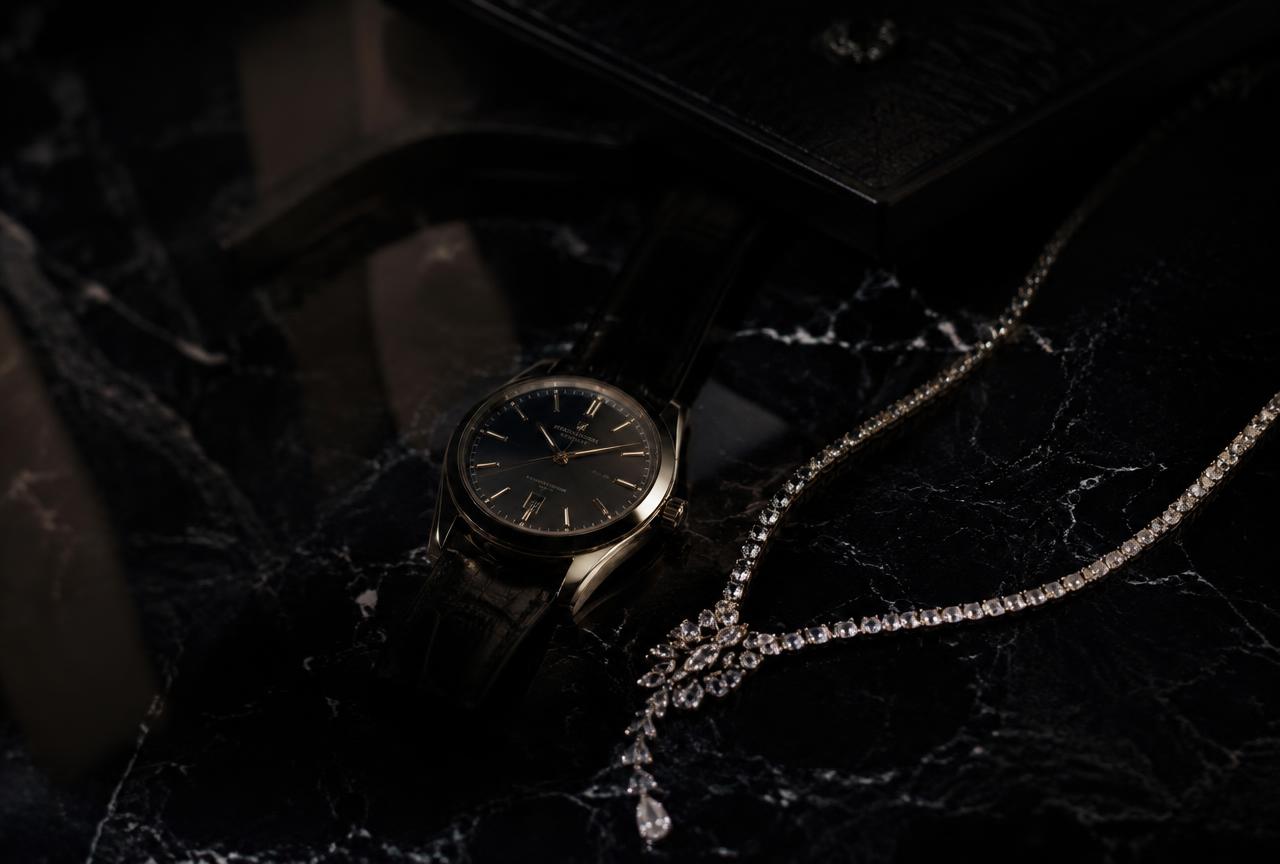
Rolex can be considered both on its own terms and within the wider field of watchmaking and the wrist. Its reference to the Oyster case and the vocabulary of the tool watch provides a point of comparison, not a verdict. The strongest comparisons identify a precise question—such as proportion, function or the expression of a material—rather than arranging houses into an unsupported hierarchy of prestige.
Hans Wilsdorf established the business that became Rolex in 1905. When placing the house beside another maker, keep the comparison at the same level: a particular object with another object, or a stated service with another stated service. An archive reference should not be used as evidence for a current technical specification. The point of context is to clarify what is distinctive, while leaving room for different approaches that may be equally valid for different users.
Context also asks who is doing the looking. A collector, a designer and a first-time visitor may notice different things in the same example. Their priorities need not agree. A useful editorial perspective makes its criteria visible and avoids turning personal taste into a universal rule. Read this guide as an invitation to make that comparison more precise, not as a definitive ranking.
Mechanical complexity and visual complexity are not the same thing. Model-specific movement, servicing and water-resistance details must be checked separately in the manufacturer's documentation.
More from Horlogerie
Horlogerie / Patek Philippe
Patek Philippe: The Design Language of Horlogerie
An independent reference guide to Patek Philippe, the Calatrava and the discipline of the dress watch, and watchmaking and the wrist.
By Moderne Royale Editors
Horlogerie / Patek Philippe
Patek Philippe: Origins, Identity & Horlogerie
An independent reference guide to Patek Philippe, the Calatrava and the discipline of the dress watch, and watchmaking and the wrist.
By Moderne Royale Editors
Horlogerie / Patek Philippe
A Closer Look at Patek Philippe: The Calatrava and the discipline of the dress watch
An independent reference guide to Patek Philippe, the Calatrava and the discipline of the dress watch, and watchmaking and the wrist.
By Moderne Royale Editors