
Patek Philippe: What to Consider in Horlogerie
An independent reference guide to Patek Philippe, the Calatrava and the discipline of the dress watch, and watchmaking and the wrist.
By Moderne Royale Editors · October 2026 · 3 min read
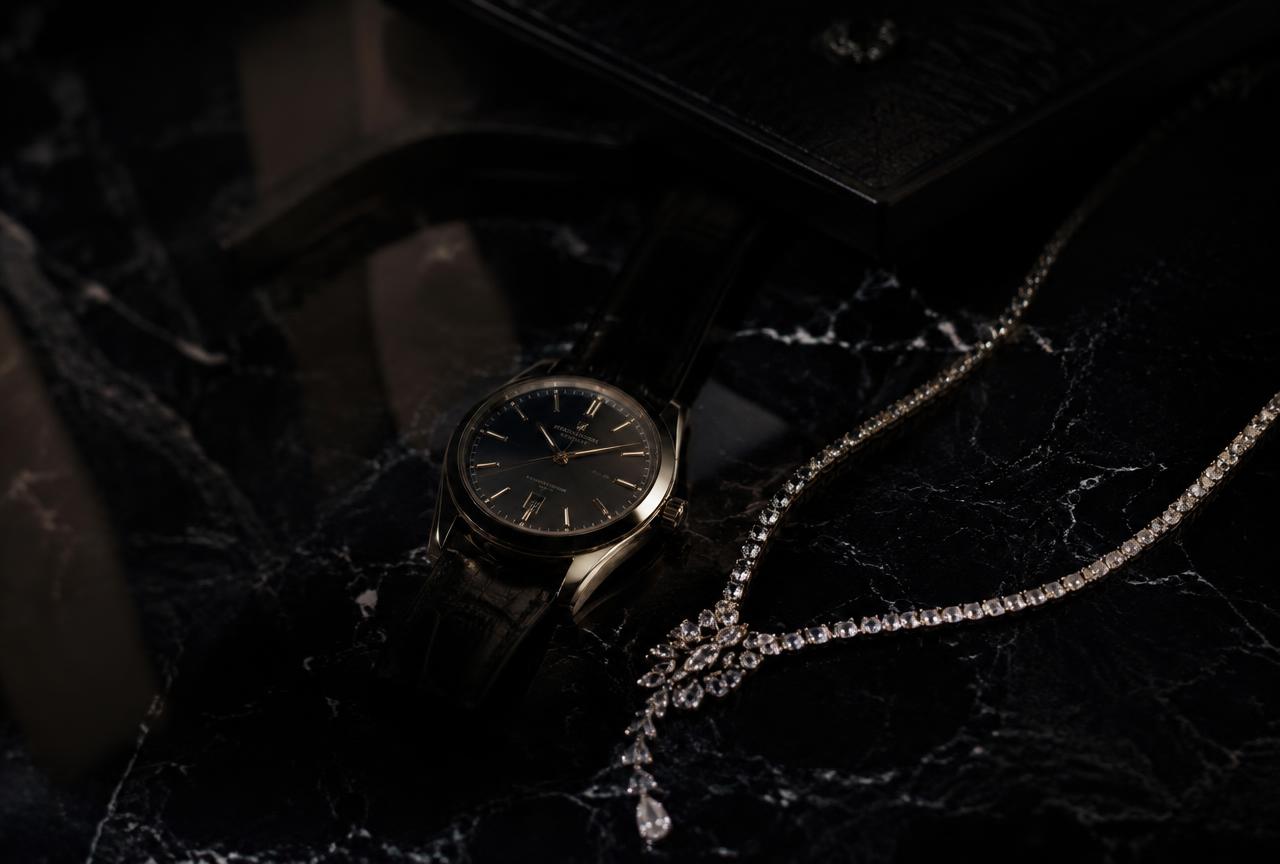
Considering Patek Philippe is more useful when the question is specific. Start with the purpose of the object or experience, the circumstances in which it will be used and the details that can be verified. What is immediately legible on the dial? How do the case, bracelet and movement contribute differently to the experience of wearing a watch? This guide frames a selection process; it does not endorse a particular purchase or substitute the appeal of a house name for an assessment of suitability.
Build a short record of the details that matter to you and compare like with like. Separate objective information—dimensions, materials, inclusions or service requirements—from subjective preferences such as atmosphere, visual intensity or familiarity. Patek Philippe traces its Geneva origins to 1839. History can make the selection culturally interesting, but it should not eliminate practical questions about use, care, suitability or the actual terms of a transaction.
Before committing, read the current official description and ask which details remain uncertain. Conditions, editions, availability and service arrangements can differ substantially within the same brand. A considered choice should be able to explain why a particular example fits a particular need; a broad statement that something is luxurious is not a replacement for that explanation.
Mechanical complexity and visual complexity are not the same thing. Model-specific movement, servicing and water-resistance details must be checked separately in the manufacturer's documentation.
More from Horlogerie
Horlogerie / Rolex
Rolex: The Design Language of Horlogerie
An independent reference guide to Rolex, the Oyster case and the vocabulary of the tool watch, and watchmaking and the wrist.
By Moderne Royale Editors
Horlogerie / Rolex
Rolex: Origins, Identity & Horlogerie
An independent reference guide to Rolex, the Oyster case and the vocabulary of the tool watch, and watchmaking and the wrist.
By Moderne Royale Editors
Horlogerie / Rolex
A Closer Look at Rolex: The Oyster case and the vocabulary of the tool watch
An independent reference guide to Rolex, the Oyster case and the vocabulary of the tool watch, and watchmaking and the wrist.
By Moderne Royale Editors