
Audemars Piguet: The Design Language of Horlogerie
An independent reference guide to Audemars Piguet, the Royal Oak's octagonal bezel, and watchmaking and the wrist.
By Moderne Royale Editors · October 2026 · 3 min read
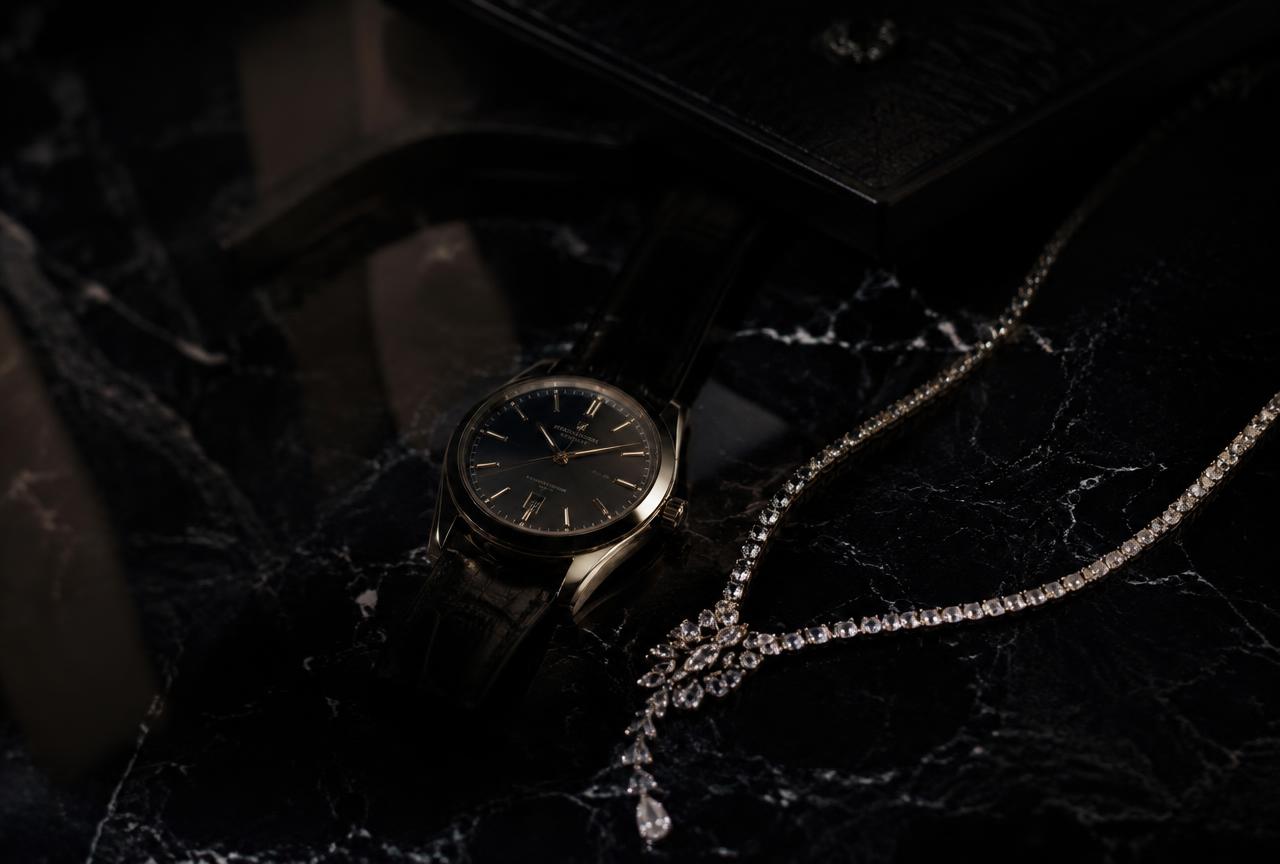
What makes a house recognizable when its name is removed? In the case of Audemars Piguet, a useful starting point is the Royal Oak's octagonal bezel. This guide reads that reference through watchmaking and the wrist, focusing on visual relationships rather than ranking the brand against its peers. A design vocabulary becomes more interesting when it is examined as a set of decisions about proportion, surface and use.
Audemars Piguet was founded in Le Brassus in 1875. That factual anchor matters because it separates the house's documented background from an editor's reading of its style. The official source linked below is the place to begin a more detailed exploration of collections, archive material and services. This article's interpretation of the Royal Oak's octagonal bezel is a way of looking, not a claim that every item made by the house follows the same rules.
Reading the design language closely also means noticing what is absent. An uncluttered surface, a restrained palette or a simplified silhouette can be as deliberate as ornament. What is immediately legible on the dial? How do the case, bracelet and movement contribute differently to the experience of wearing a watch? Look at the whole before focusing on a single recognizable code; an emblem can introduce a story, but it cannot explain the relationships that make an object or experience coherent.
Mechanical complexity and visual complexity are not the same thing. Model-specific movement, servicing and water-resistance details must be checked separately in the manufacturer's documentation.
More from Horlogerie
Horlogerie / Patek Philippe
Patek Philippe: The Design Language of Horlogerie
An independent reference guide to Patek Philippe, the Calatrava and the discipline of the dress watch, and watchmaking and the wrist.
By Moderne Royale Editors
Horlogerie / Patek Philippe
Patek Philippe: Origins, Identity & Horlogerie
An independent reference guide to Patek Philippe, the Calatrava and the discipline of the dress watch, and watchmaking and the wrist.
By Moderne Royale Editors
Horlogerie / Patek Philippe
A Closer Look at Patek Philippe: The Calatrava and the discipline of the dress watch
An independent reference guide to Patek Philippe, the Calatrava and the discipline of the dress watch, and watchmaking and the wrist.
By Moderne Royale Editors