
Porsche: The Design Language of Grand Sport
An independent reference guide to Porsche, the 911 and the continuity of a sports-car silhouette, and performance and sporting design.
By Moderne Royale Editors · October 2026 · 3 min read
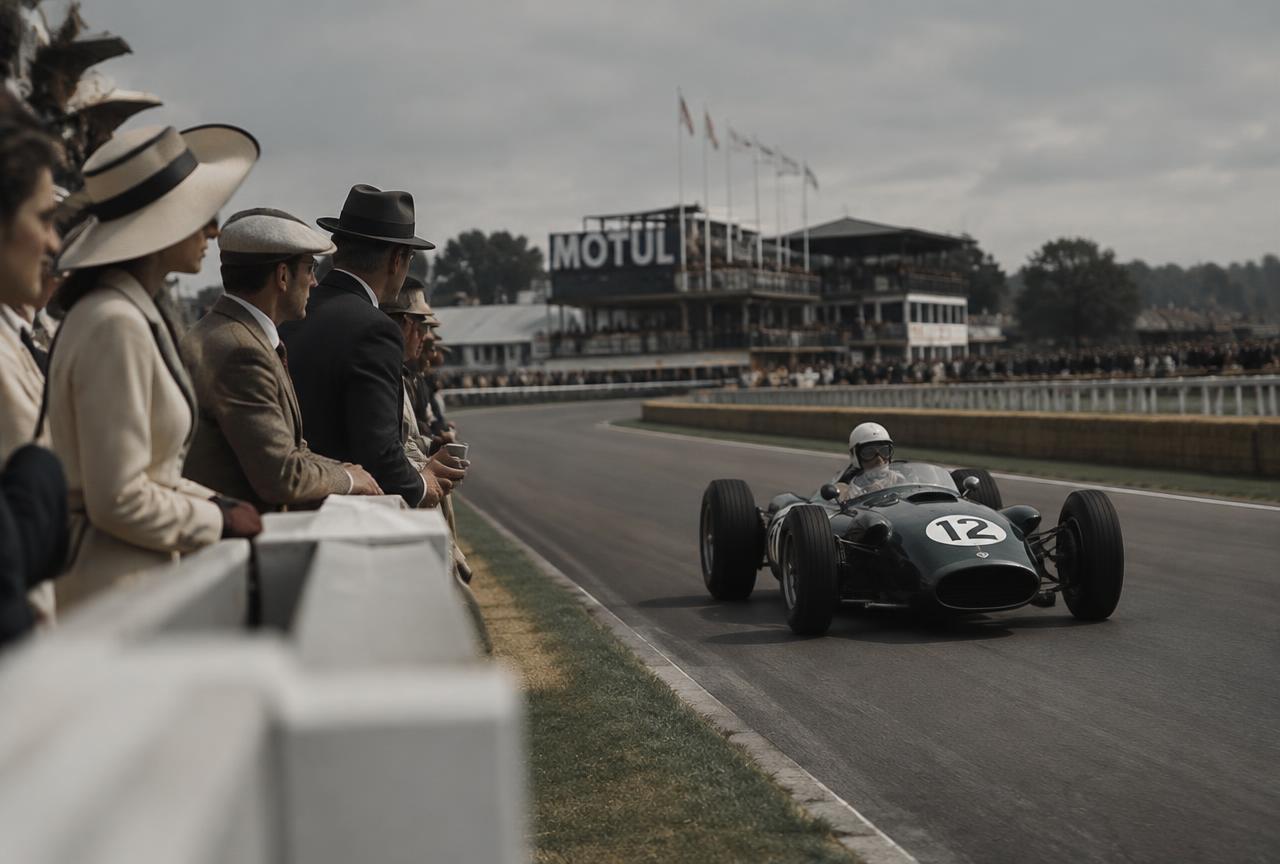
What makes a house recognizable when its name is removed? In the case of Porsche, a useful starting point is the 911 and the continuity of a sports-car silhouette. This guide reads that reference through performance and sporting design, focusing on visual relationships rather than ranking the brand against its peers. A design vocabulary becomes more interesting when it is examined as a set of decisions about proportion, surface and use.
Ferdinand Porsche established his engineering business in 1931. That factual anchor matters because it separates the house's documented background from an editor's reading of its style. The official source linked below is the place to begin a more detailed exploration of collections, archive material and services. This article's interpretation of the 911 and the continuity of a sports-car silhouette is a way of looking, not a claim that every item made by the house follows the same rules.
Reading the design language closely also means noticing what is absent. An uncluttered surface, a restrained palette or a simplified silhouette can be as deliberate as ornament. Which choices serve performance, and which serve visual identity? How does an object communicate its sporting associations outside a competitive setting? Look at the whole before focusing on a single recognizable code; an emblem can introduce a story, but it cannot explain the relationships that make an object or experience coherent.
Sporting references do not establish a current sponsorship or partnership. Vehicle performance and watch specifications should be checked by model and production year.
More from Grand Sport
Grand Sport / Ferrari
Ferrari: The Design Language of Grand Sport
An independent reference guide to Ferrari, the relationship between racing and road-car identity, and performance and sporting design.
By Moderne Royale Editors
Grand Sport / Ferrari
Ferrari: Origins, Identity & Grand Sport
An independent reference guide to Ferrari, the relationship between racing and road-car identity, and performance and sporting design.
By Moderne Royale Editors
Grand Sport / Ferrari
A Closer Look at Ferrari: The relationship between racing and road-car identity
An independent reference guide to Ferrari, the relationship between racing and road-car identity, and performance and sporting design.
By Moderne Royale Editors