
Richemont: Origins, Identity & Business
An independent reference guide to Richemont, the organization of jewelry and watchmaking maisons, and the business of luxury.
By Moderne Royale Editors · October 2026 · 3 min read
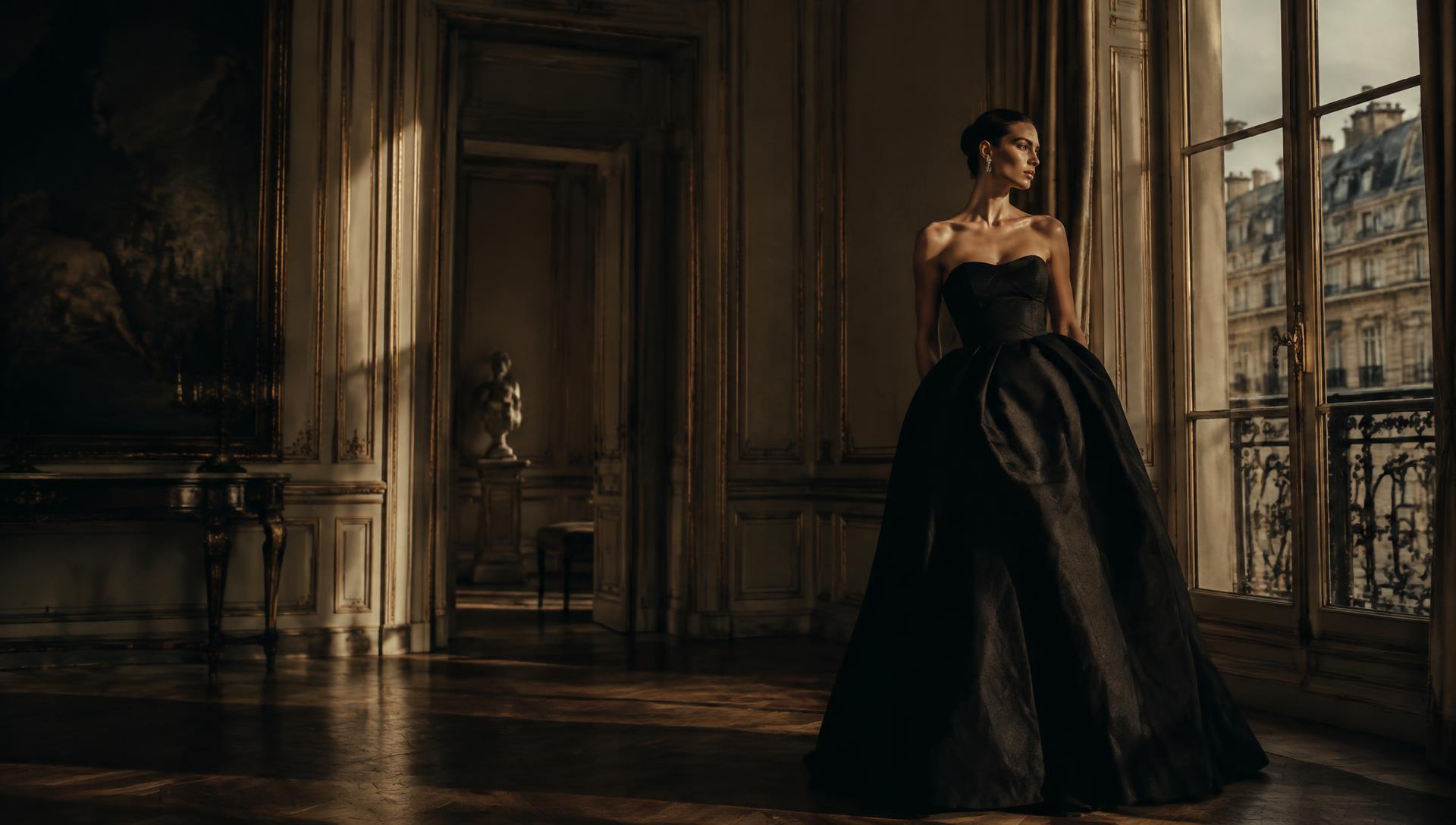
Origins can explain a house's vocabulary without dictating how every later object should look. Richemont was established in 1988. For Richemont, the history offers a starting point for a discussion of the business of luxury. It is worth distinguishing that documented origin from the interpretation of a contemporary collection: continuity is something to examine, not something to assume simply because a business has a long history.
An origin story becomes useful when it leads to a concrete design question. Here that question is how the organization of jewelry and watchmaking maisons connects an inherited reference to the choices a viewer can actually see. A founder's date or place does not explain every later decision; designers, production methods and audiences can change. Treat the history as a frame of reference and then examine the specific object or experience independently.
A useful archive reading is selective rather than nostalgic. Look for an identifiable reference and ask what has been preserved, transformed or left behind. Dates and founding places are stable anchors, while the meaning of a visual code can shift between generations. The interest of Richemont in this context is the conversation between an established vocabulary and the particular needs of the business of luxury.
This is an editorial perspective, not investment advice. Current ownership, financial results and market data should be read in dated company filings rather than inferred from historical brand narratives.
More from Business
Business / LVMH
LVMH: The Design Language of Business
An independent reference guide to LVMH, the portfolio model of a luxury group, and the business of luxury.
By Moderne Royale Editors
Business / LVMH
LVMH: Origins, Identity & Business
An independent reference guide to LVMH, the portfolio model of a luxury group, and the business of luxury.
By Moderne Royale Editors
Business / LVMH
A Closer Look at LVMH: The portfolio model of a luxury group
An independent reference guide to LVMH, the portfolio model of a luxury group, and the business of luxury.
By Moderne Royale Editors